-
Funding Innovation for Growers: 2026 Schemes now live
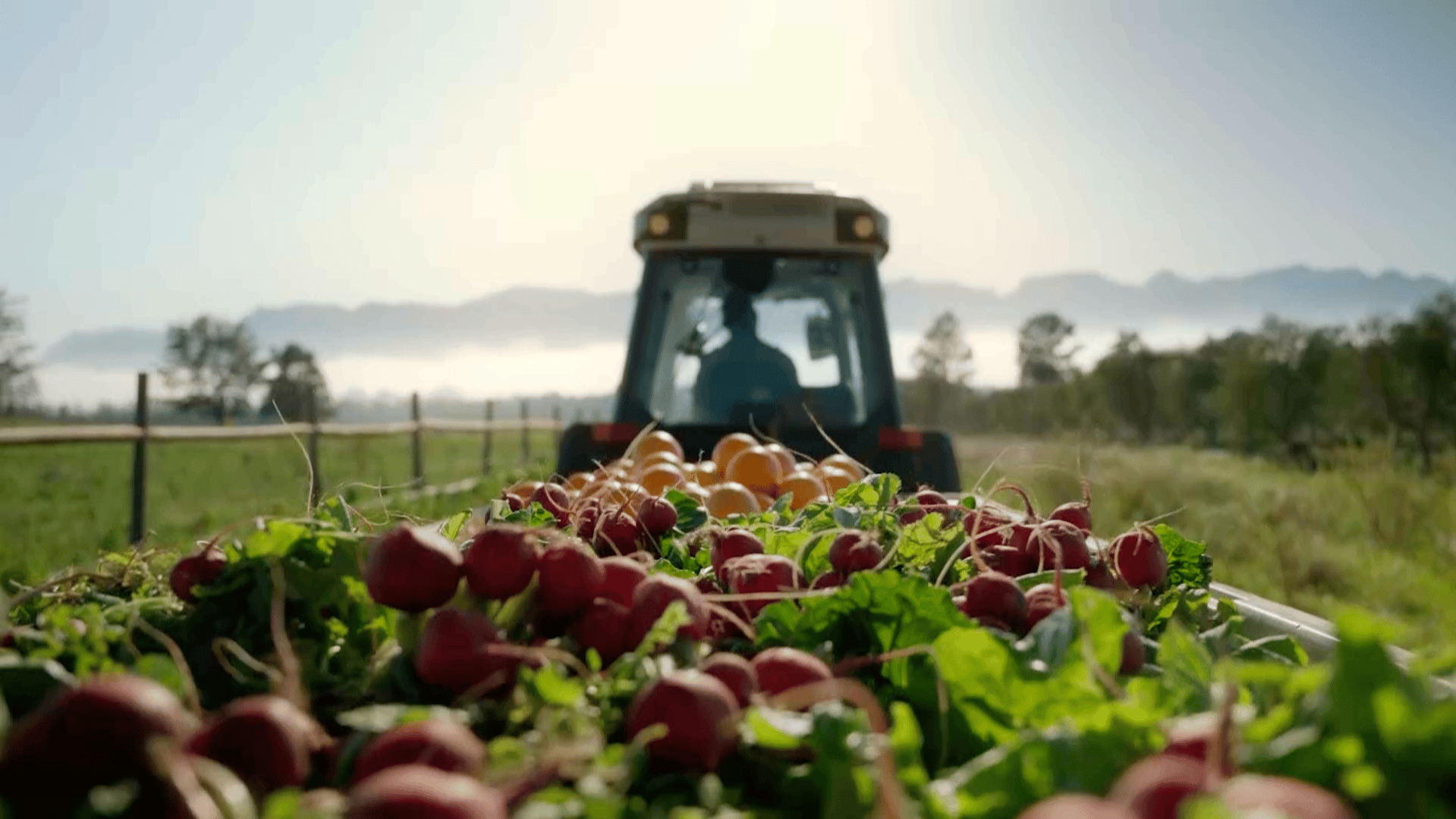
The Accelerating Development of Practices and Technologies (ADOPT) fund offers grants to farmers and growers to trial new technology or practices on-site. The intention is to speed up development and adoption of new solutions to industry challenges. Round 6 of the grant opened in early February and will close on 8 April 2026, with Round…
-
“From Standing Charges to Smart Choices” Review

At the end of January, GrowSave hosted its first webinar of 2026 with the title ‘From Standing Charges to Smart Choices’, led by Technical Lead, Eirinn Rusbridge, and Operations Lead, Tom Ovenden. In case you missed it, this blog summarises some of the key insights that were discussed. Energy Markets Eirinn opened with a review of the current energy market and the recent trends that have affected prices, a key…
-
Energy Market Update: January 2026
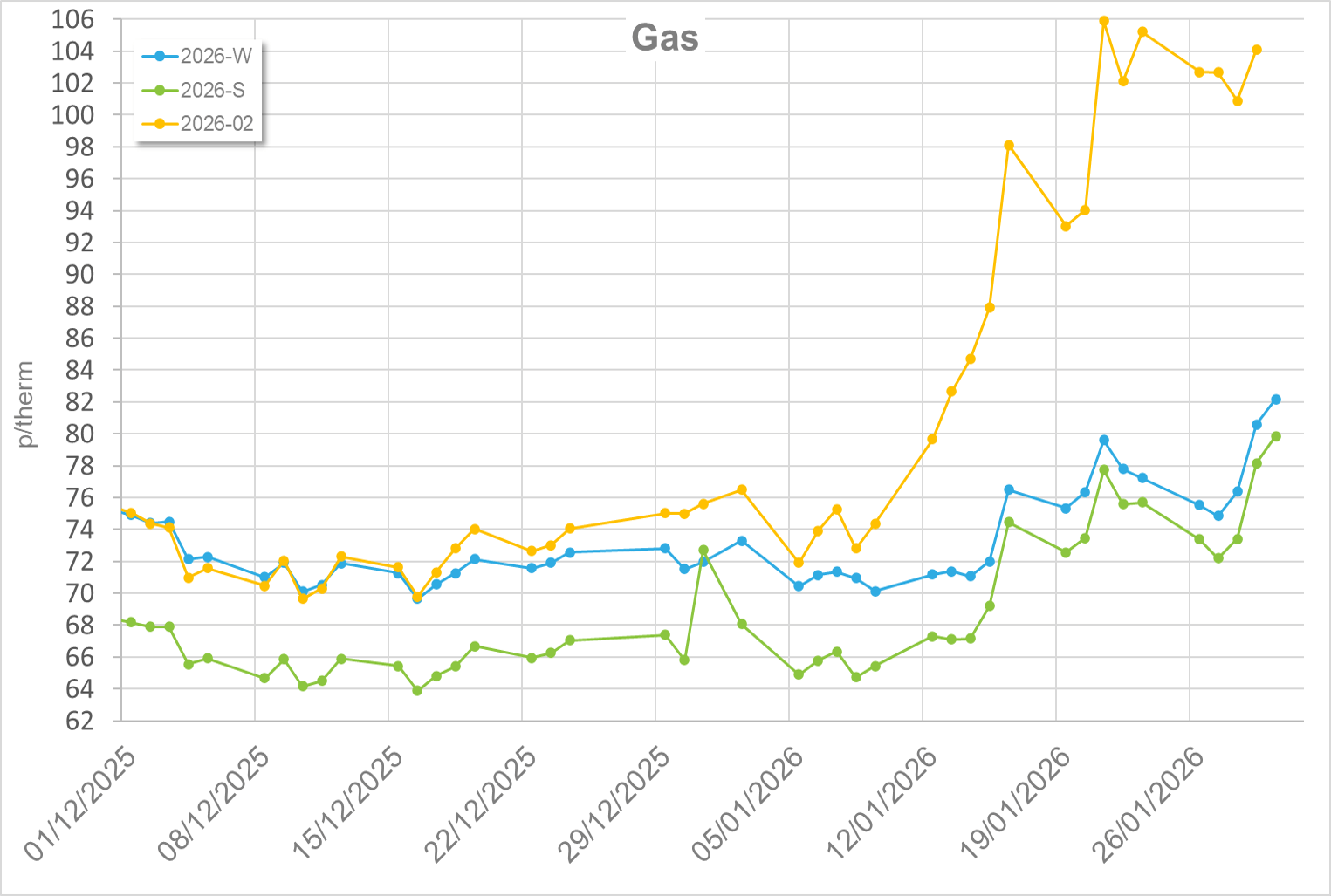
December Recap December, in terms of pricing, was a particularly calm month with prices generally flat. On the other hand, it was a particularly blustery December which saw Wind dominate Gas in the generation stakes. This was in part due to Storm Bram which stoked the turbines into action. Temperatures were generally mild which allayed…
-
Understanding Your Energy Bill Part 1: Electricity Non-Commodity Costs

Energy is one of the main costs to Controlled Environment Horticulture businesses, with electricity being the most expensive form of energy per-kWh. GrowSave is running a series of articles where we detail how to understand an energy bill, and most importantly, how to mitigate the costs. In this, Part 1, we are covering the non-commodity…
-
From standing charges to smart choices: Maximising value with GrowSave
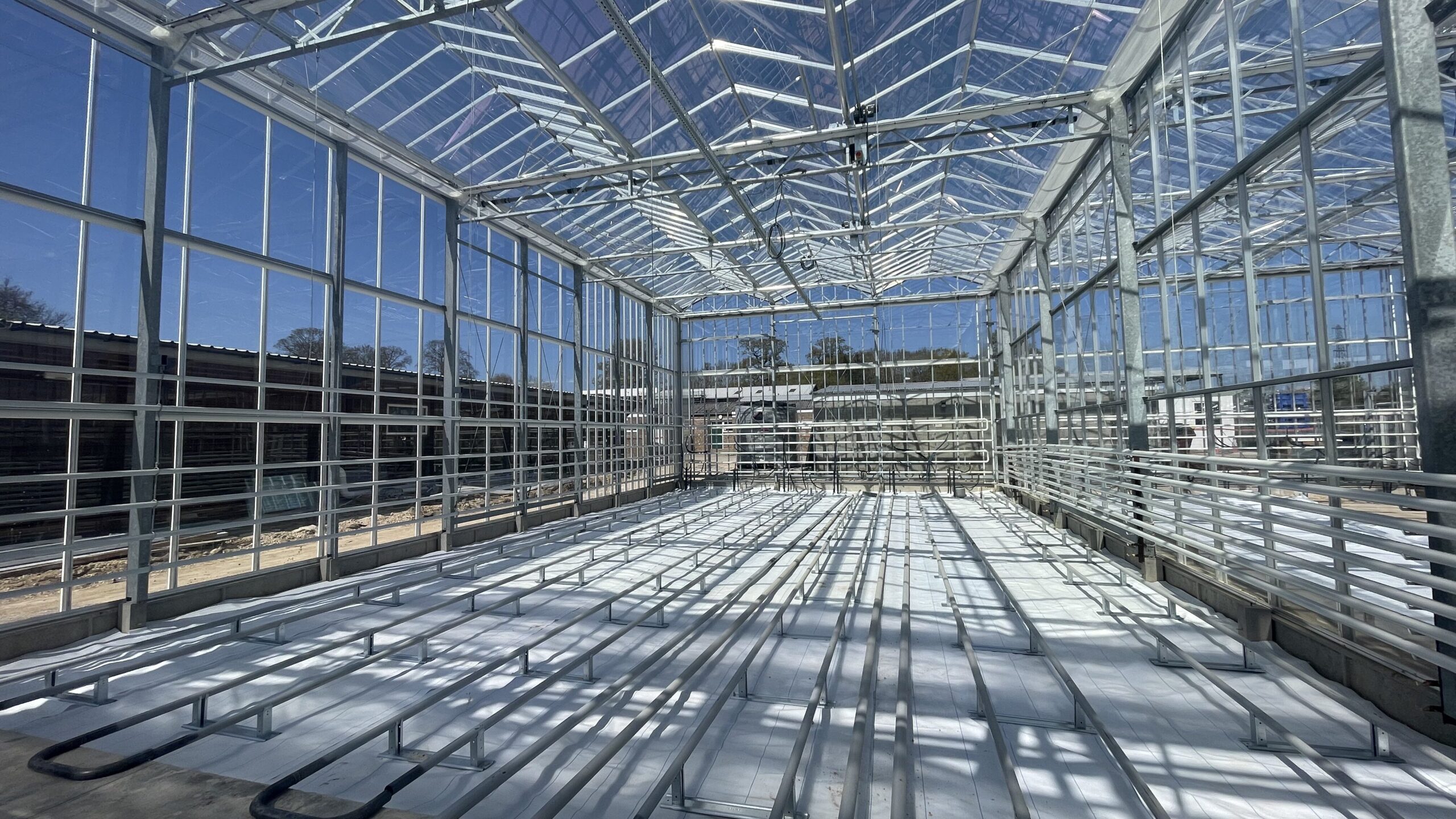
Join NFU Energy and the GrowSave team for an insightful session on navigating the evolving energy landscape. We will discuss the upcoming standing charge changes, share updates from the GrowSave knowledge sharing platform, and explore new grant and funding opportunities available to the sector. Discover practical steps to maximise efficiency, reduce costs, and make informed…
-
Updated forecast from NESO to TNUoS tarriffs

The National Energy System Operator (NESO) has updated its forecast for the Transmission Network Use of System (TNUoS) charges and the implications could be significant for your business energy spend. The average TNUoS charges for 2026/27 are now expected to rise by 63%. GrowSave recommends that companies of all sizes should understand how these changes…
-
Energy Market Update: Oct-Dec 2025
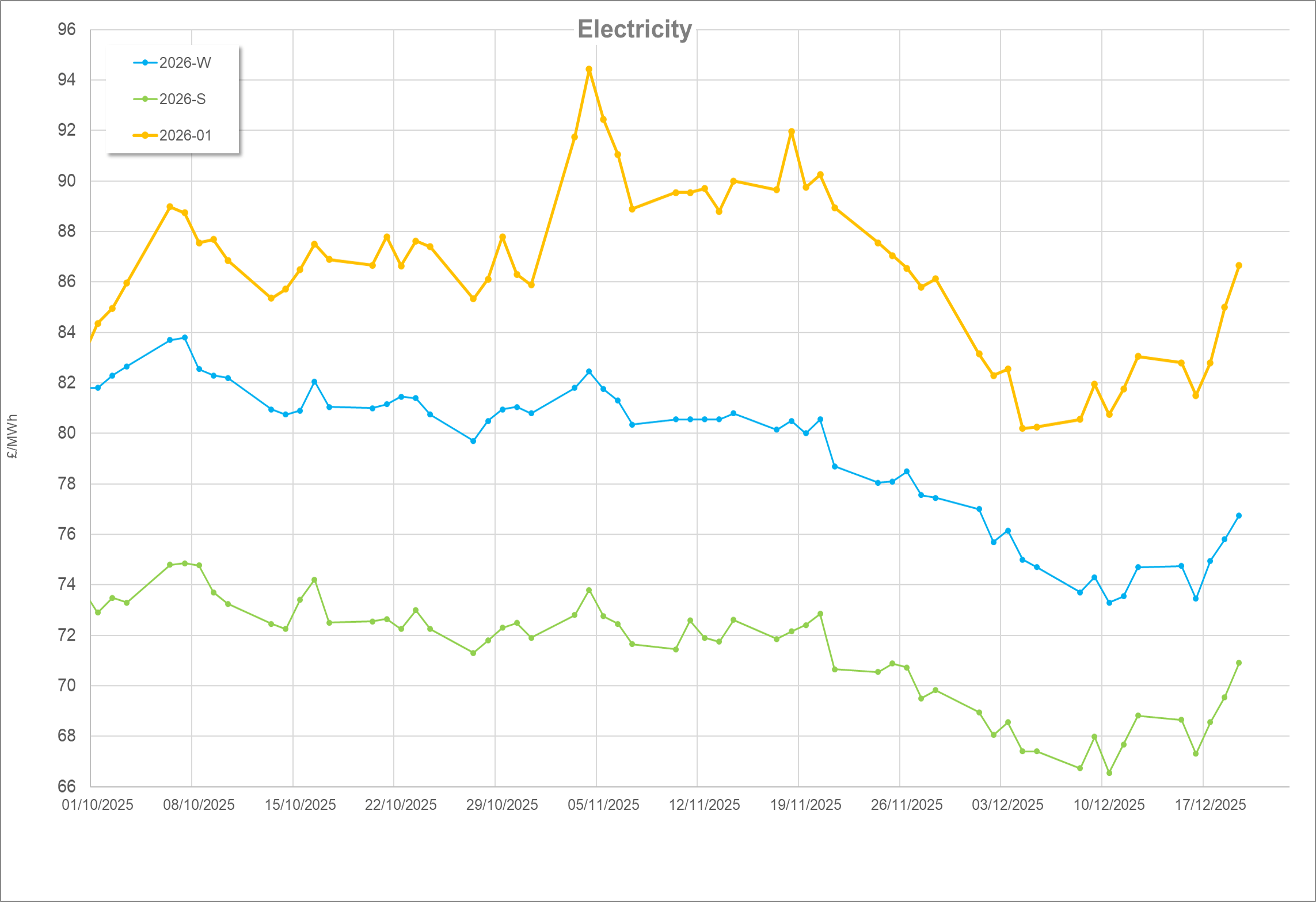
October Prices held relatively firm during the month, albeit with a slight turn downward during the early parts of the month. Despite a big lull in the middle of the month, wind production was particularly strong through October, partly due to Storm Amy towards month’s end. Temperatures gently declined, however they were largely above seasonal…
-
Calculate how the incoming TNUoS charges will impact your bill

NFU Energy has developed a TNUoS charges impact calculator in partnership with the NFU to help you understand how the proposed changes will effect your business ‘energy costs. Use the free energy calculator today Not only will the calculator help you estimate the impact of the TNUoS charge on your business, the data will be…
-
Standing charges are rising – here’s what you need to know
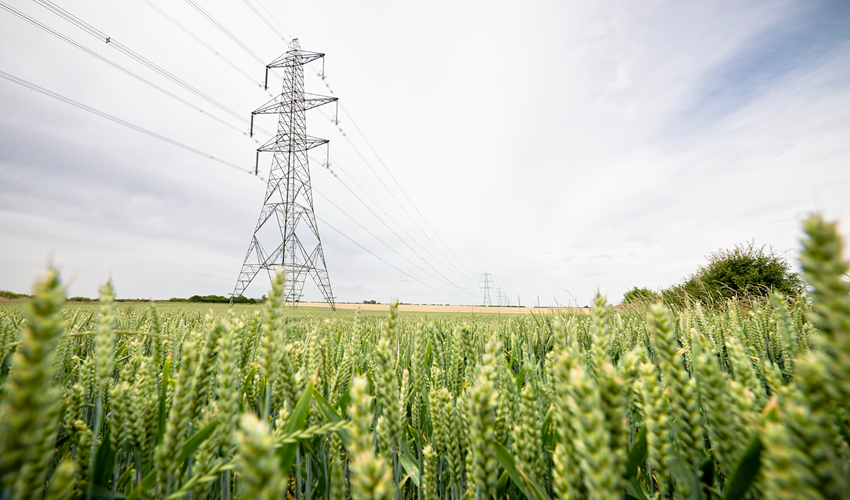
Electricity costs continue to increase, and with major updates to non-commodity charges underway, many organisations will soon see higher standing charges on their bills. What are standing charges?They’re the fees you pay simply for being connected to the electricity grid. These charges fund the operation, maintenance and upgrade of the UK’s energy networks and they…
-
Pyrolysis for Horticulture

Biomass combustion is relatively common, however, there has been an increasing interest in other thermochemical conversion methods, which offer more varied outputs: combustible gases, oils, and organic carbon (char). With the right system design, reactors can support on-site heat and power generation, carbon sequestration, and production of oils and solids which can be sold into…